
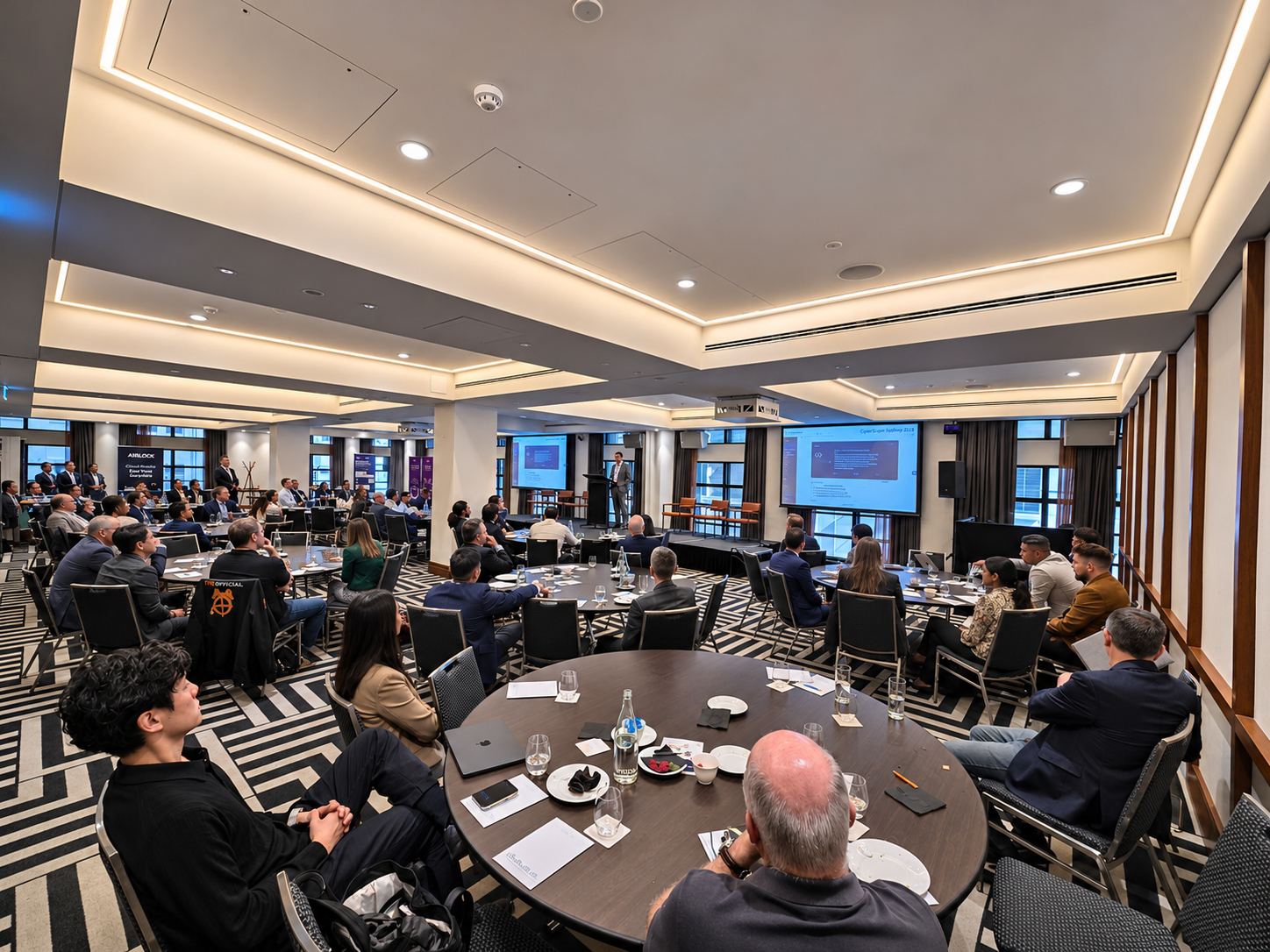
What 148 leaders and two rooms told us about AI
Four in ten say AI is already taking actions in their systems. Only 7% say security owns it. Here is what we learned in Melbourne and Sydney, and the actions I would take first.
- MelbourneGate 8, East Melbourne22 September 2026
- SydneyKimpton Margot12 November 2026
 Ferdinand TadiamanCEO, Nueva10 min read
- 148security, technology and business leaders answered our registration survey
- 41%say AI is already taking actions in their systems
- 7%say the CISO or security team owns AI
- 1 in 5say every business unit is doing its own thing, or nobody owns AI yet
Two cities, one theme
Over the last eight weeks we took CyberScape to Melbourne and then Sydney under one theme: Rewired by AI.
The idea behind the theme was simple. AI has changed what your organisation can do, what your attackers can do, and what your board is asking you. We wanted a day that dealt with all three honestly, with live capability on stage rather than slides, and with peers talking openly to each other.
Both days ran under the Chatham House Rule, so I won't attach names to anything said in the room. What I can share is what we learned, and some of the most useful insight came before anyone walked through the door.
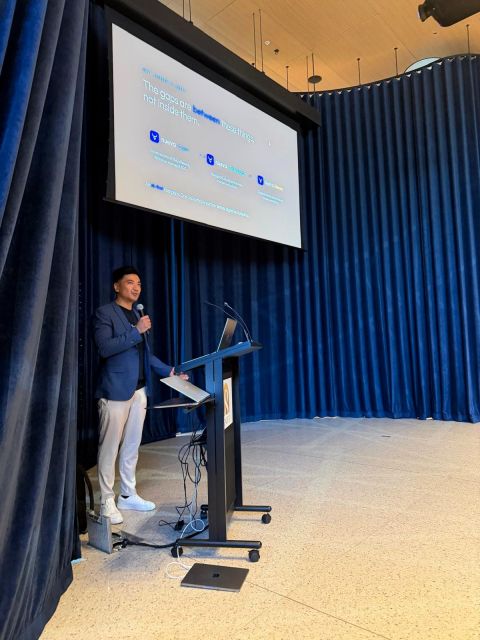 Melbourne · Opening keynote
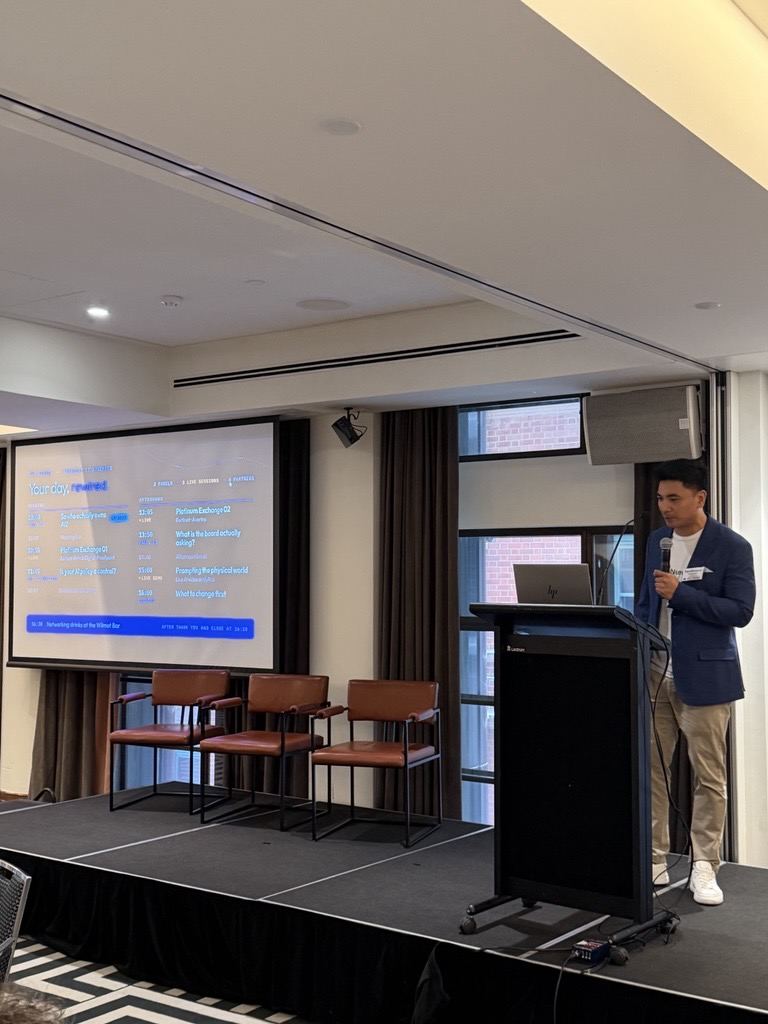 Sydney · Opening keynote
What 148 leaders told us before they arrived
When people registered, we asked them three short questions. 148 of the 153 security, technology and business leaders who registered across both cities answered, from customers and prospects through to our technology partners. It is a small sample, but it is a real one, and it tells a clearer story than most of the analyst numbers we see.
- 46% using AI as a tool (Ask and Assist).
- 41% letting AI act in their systems (Act and beyond).
The headline for me is that 41% of these leaders say AI is already taking actions in their systems. Not drafting emails. Acting. At the same time, 46% are still at individual or team use. So the room was split almost down the middle, and the security conversation has to work for both groups at once.
Two things stood out. Only 7% said security owns AI, which means in most organisations the people who have to defend AI are not the people deciding on it. And nearly one in five said either every business unit is doing its own thing, or nobody owns it at all. Put that next to the 41% who already have AI acting in their systems and you can see where the risk is building.
What people most wanted to hear about
- 66%AI driven threats and cyber defence
- 63%AI and the future of work
- 52%AI governance and leadership
- 26%When cyber becomes physical
Threats coming first was expected. What surprised me was the future of work, close behind at 63%. This was not a security audience asking only security questions. People want to understand what AI means for how their organisation works, and security is part of that answer rather than a separate conversation.
One in four also picked when cyber becomes physical: buildings, cameras and access that can think. Most cyber events don't touch it, and I think it will grow.
SourceSelf reported by the 148 leaders who registered for Melbourne and Sydney and answered the survey, including customers, prospects and technology partners. Figures are rounded, so they may not add to exactly 100%. People could pick more than one topic.
What the panels argued about
We built the panels to create honest disagreement rather than polite consensus. Each one put business, security and partner voices on the same stage. Cyera, Keepit and MyCISO also joined our panels in Melbourne.
So who actually owns AI?
We opened this panel on the registration data, so the room walked in already knowing the answer for their own organisation. The debate quickly moved past whether to use AI. That argument is over. The real tension was who is accountable when it goes wrong, who is allowed to say no, and who pays for it.
In most organisations, ownership is sitting in four or five places at once: the business unit that bought the tool, the CIO who inherited it, the CISO who has to defend it, and a risk team that found out afterwards.
"AI is too broad for one owner. What works is shared ownership with clear accountability, and a forum with the authority to stop something before it goes live."
What the board is actually asking
The second panel moved the conversation into the boardroom: resilience, investment and accountability. Boards are asking sharper questions about AI than they were a year ago, and they want answers in business terms, not control frameworks. Having non security voices on this panel made a real difference. It is a very different conversation when the person asking is the one signing off the budget.
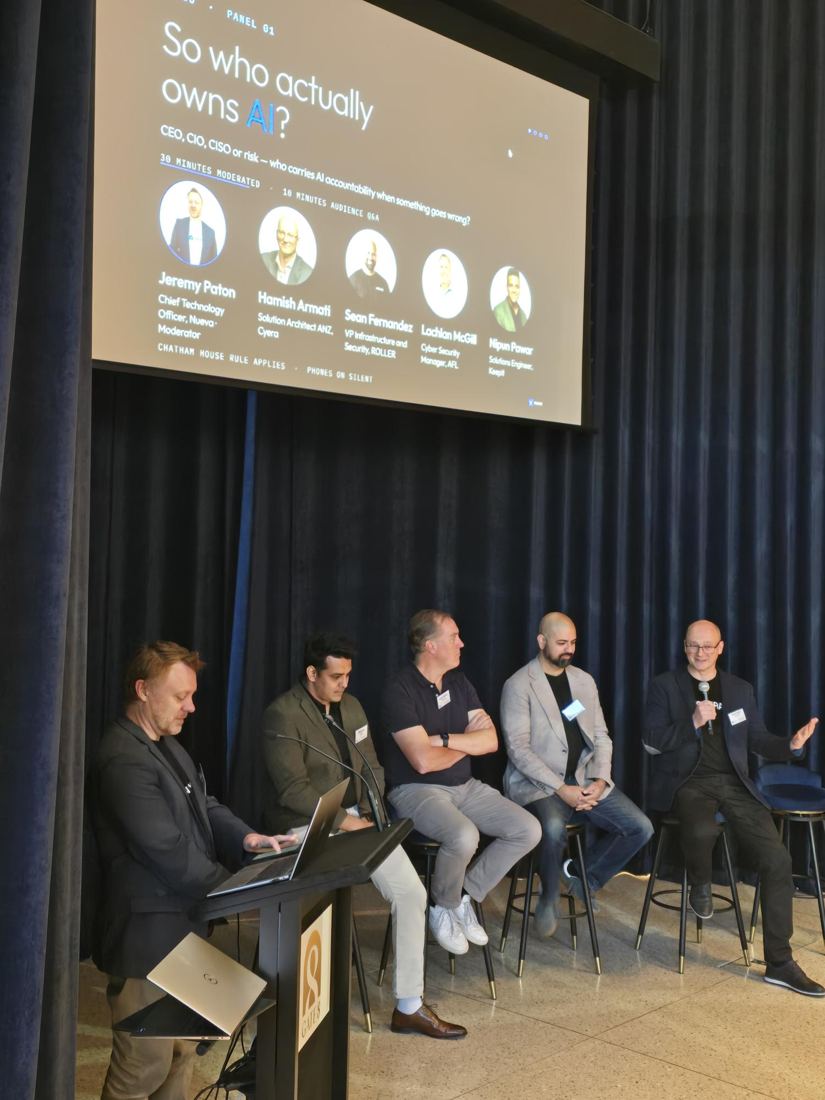 Melbourne · Panel 1
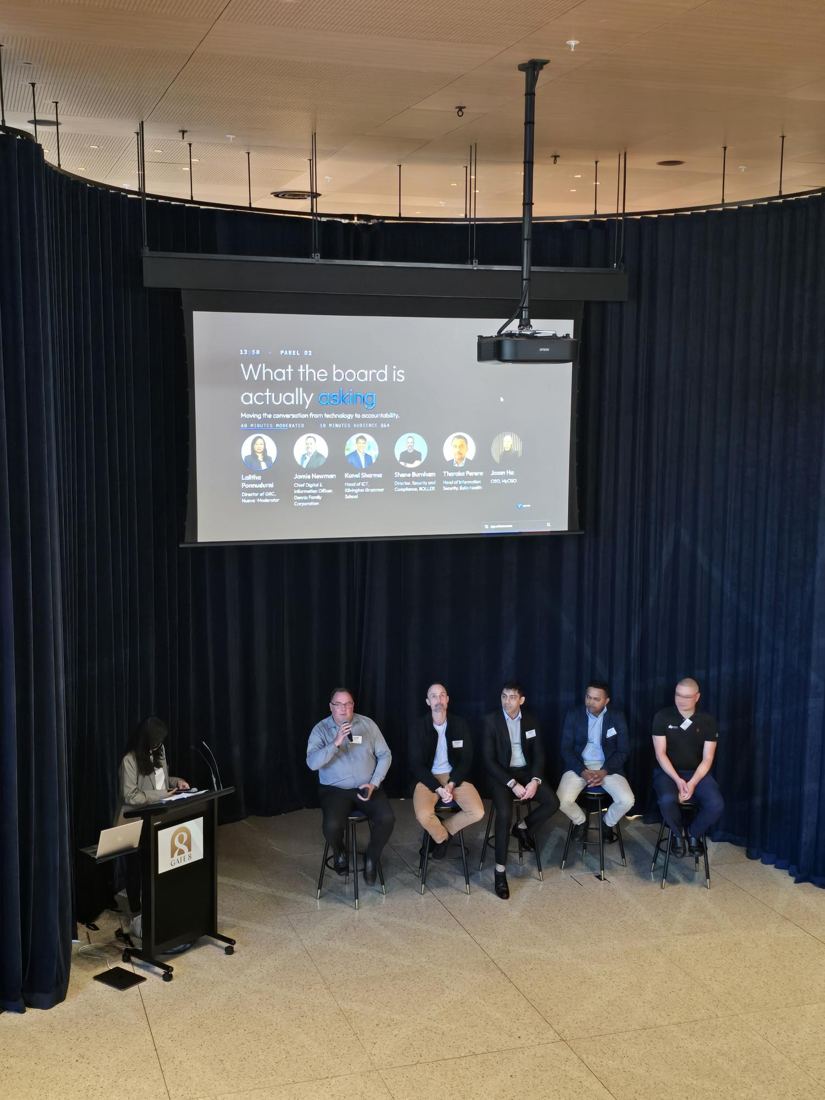 Melbourne · Panel 2
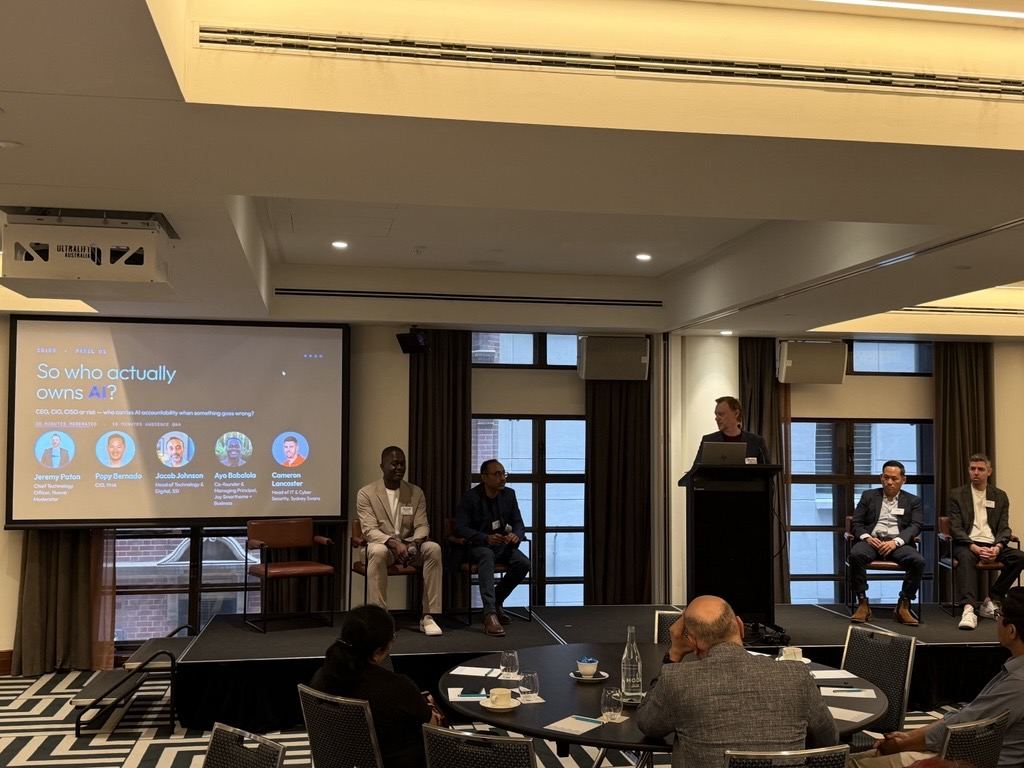 Sydney · Panel 1
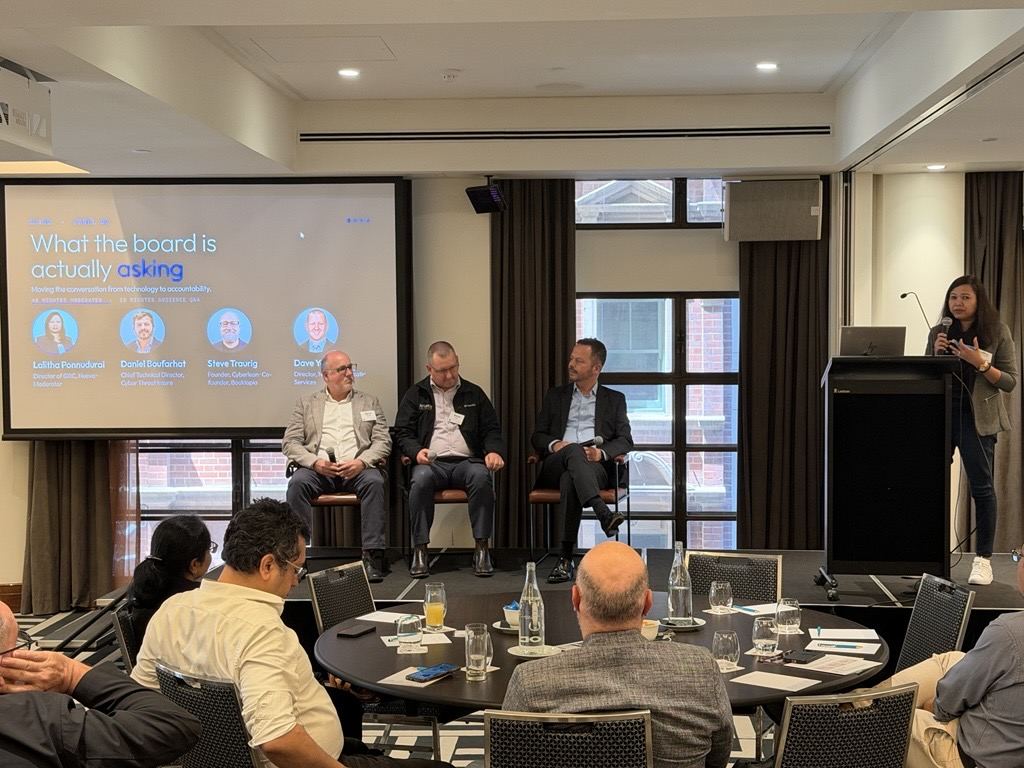 Sydney · Panel 2
Your AI policy is not a control
Our GRC session took on something almost everyone in the room recognised. Most organisations wrote an AI policy in the last eighteen months. Very few can evidence it. The sharpest point was third party risk: every vendor assessment completed before those vendors shipped AI features is now out of date, and most organisations have a lot of them. MyCISO ran this session in both cities, with Jason Ha, their CISO, presenting in Melbourne and Alexander Tso, Security Architect, presenting in Sydney.
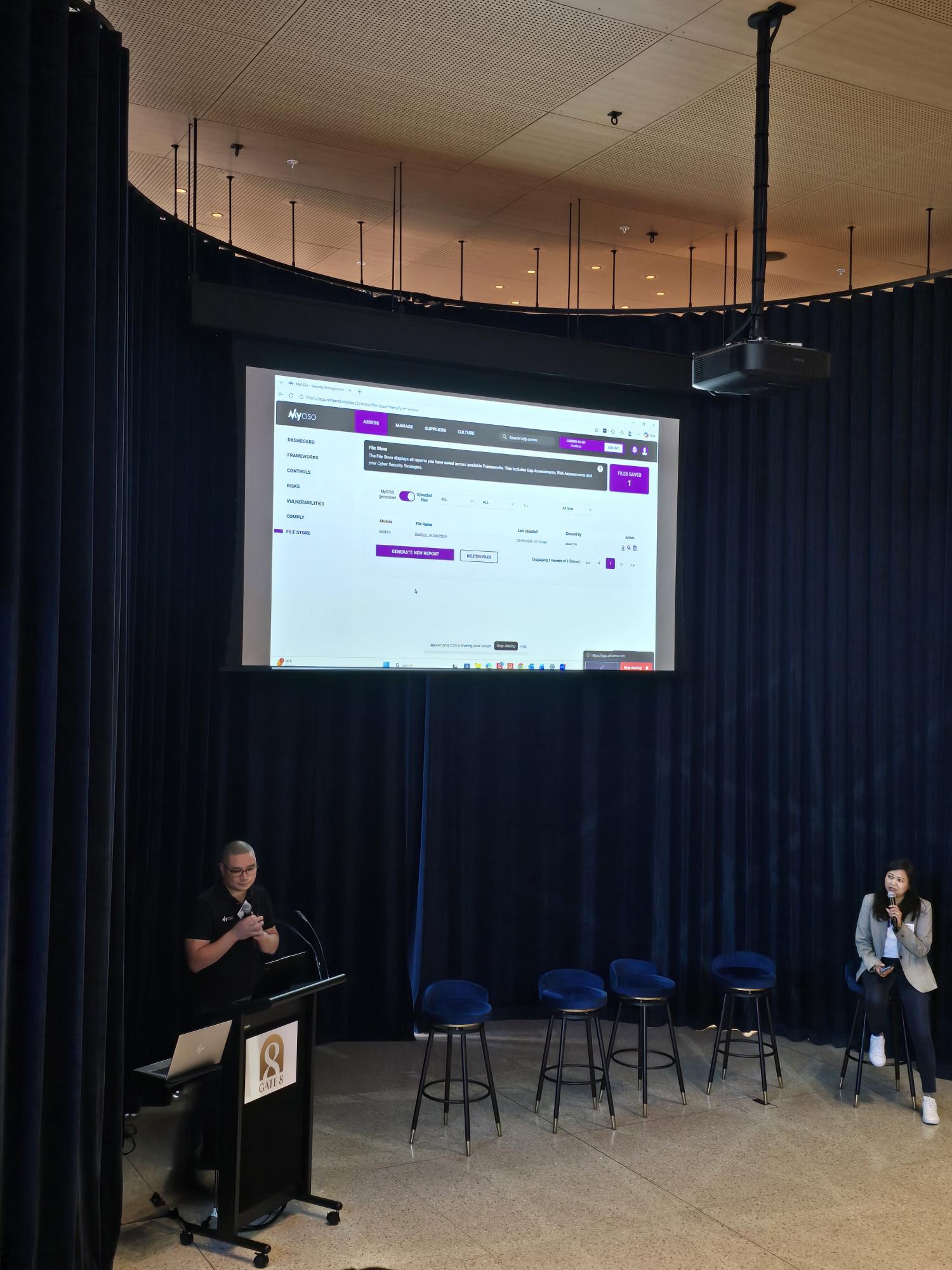 Melbourne · GRC in practice
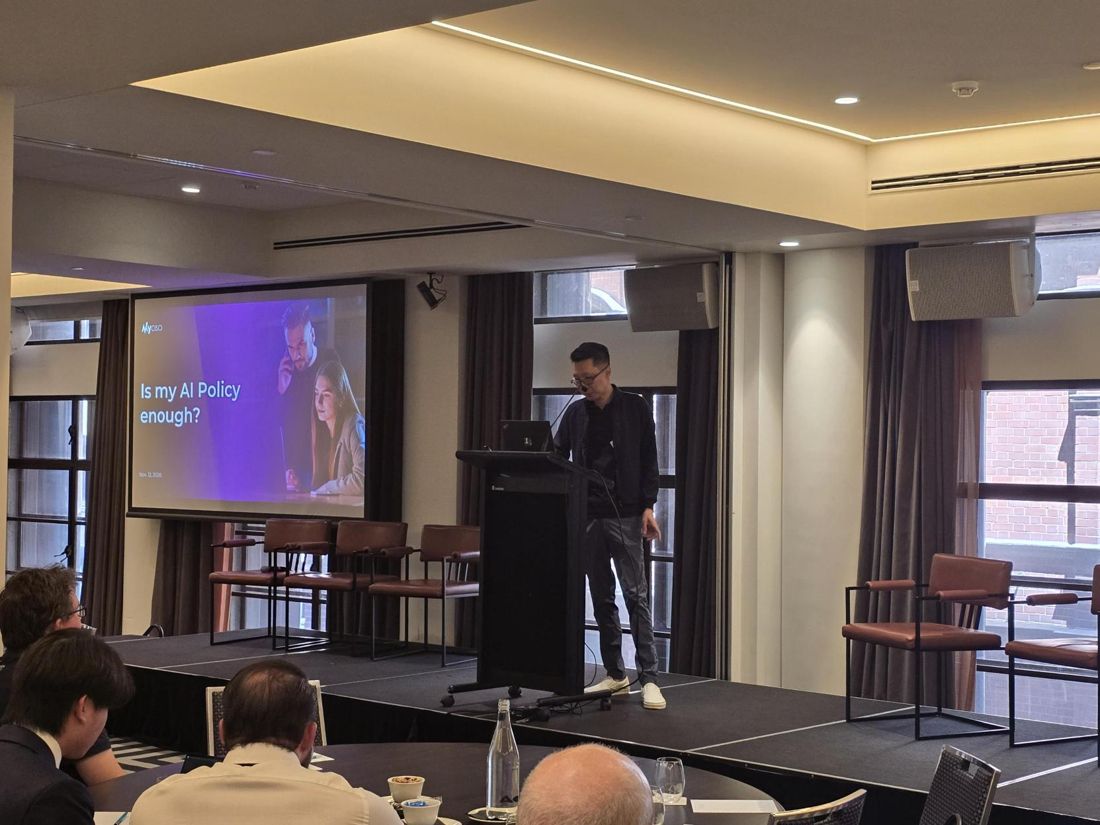 Sydney · GRC in practice
What the live demos showed
The Platinum Exchange is the part of CyberScape I'm proudest of. No decks, no company overviews. Each partner gets one problem, shows one capability working live, and then takes a question from our host in front of the room. Melbourne's second Exchange summed up the whole program in one line: what AI can read, what it can destroy, and what stops it.
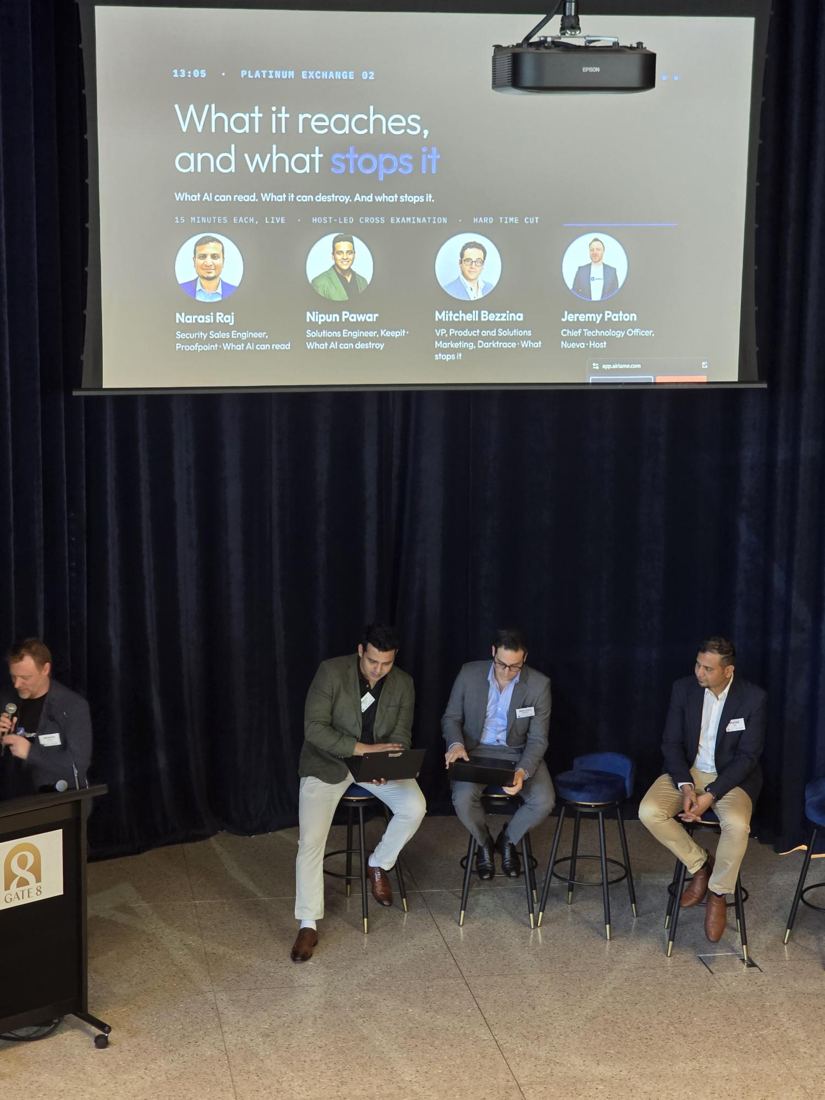 Melbourne · Exchange 2
- What AI can read
Your people are already feeding it
Proofpoint, in both cities, started with the person: which AI tools people are actually using, and what they are putting into them.
- What AI can destroy, and what stops it
Recovery and response belong in the AI plan
AI that can change your data can also destroy it. Keepit took on recovery, and Darktrace took on response, including how much you let an autonomous system act on its own.
- Cloud
Shadow AI is an inventory problem
Wiz looked at the AI workloads already running across cloud estates, and what they are exposed to. Most organisations have more than they think.
- Endpoint
When new malware is free, deny by default
Airlock Digital showed why execution control matters when attackers can generate new malware for every target. Deny by default stops looking like the paranoid option.
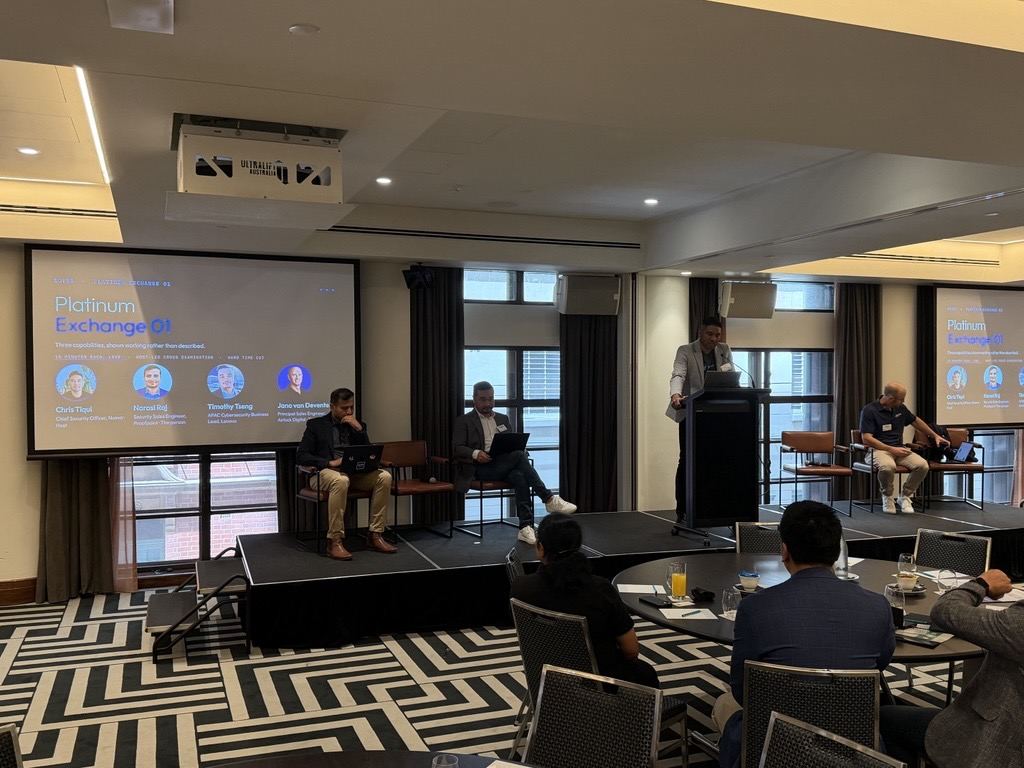 Sydney · Exchange 1
- Governance
The policy versus the browser
Avertro gave a live demo of CyberHQ.ai (opens in a new tab), its new AI security command platform launched in October. It took on the gap between what an AI policy says and what is happening in the browser, from seeing AI use through to evidence an auditor would accept.
- Device and network
Security still starts at the device and the network
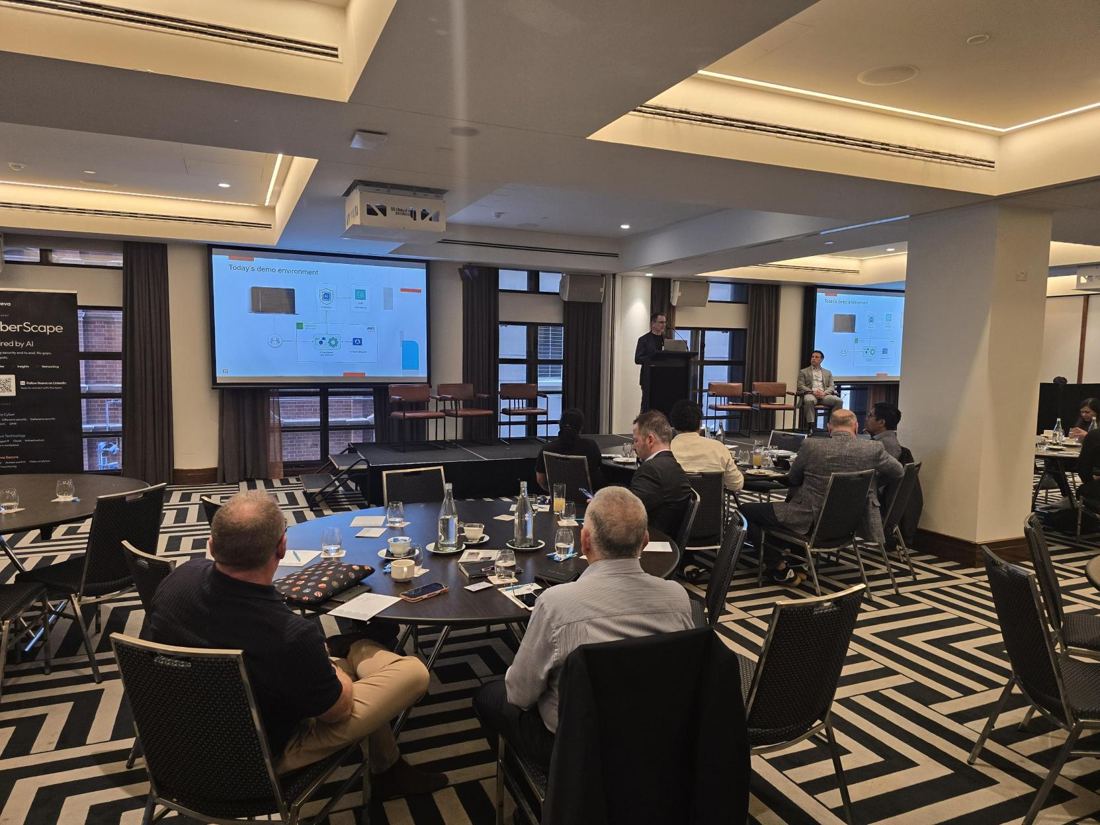
Lenovo and Fortinet brought live capability across the device and the network, the layers every AI workload ultimately runs on.
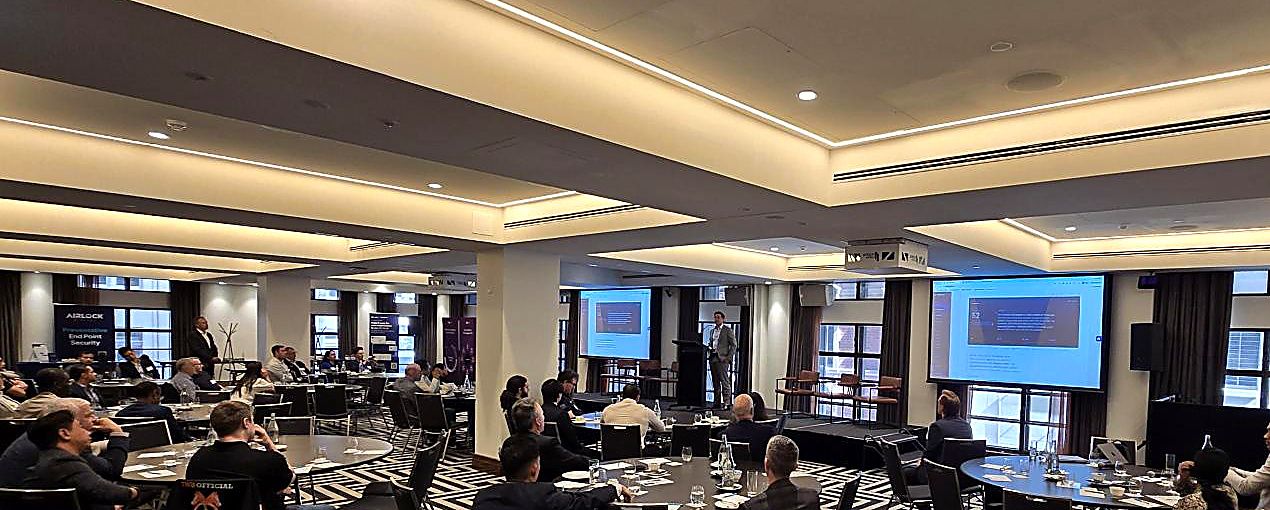 Sydney · Avertro
 Sydney · Fortinet
Building it and defending it
To close the day in Melbourne, our Chief Technology Officer Jeremy Paton and Chief Security Officer Chris Tiqui sat down for a fireside chat with Craig Lawton, Principal AI/ML Solutions Architect at AWS, with thanks to TD Synnex. Three people who see the same problem from different ends of it: the people building with AI, the people defending it, and the platform it runs on.
Fireside chat
MelbourneThree people who see the same problem from different ends of it.
 Jeremy PatonChief Technology OfficerNueva
 Chris TiquiChief Security OfficerNueva
 Craig LawtonPrincipal AI/ML Solutions ArchitectAWS
With thanks to
Prompting the physical world
For thirty years, video was something you reviewed after the fact. Now you can ask it a question in plain language and it answers, across one site or an entire estate. It was the same shift the room had discussed all day in data, code and cloud, arriving somewhere most people weren't watching for it, and it raised the right question: where is the line between what these systems can do and what you should let them do?
In Sydney, that closing slot went to Nueva Secure. Srini Krishnamoorthy, Co-founder and Managing Director of Nueva Secure, ran the live demonstration with Arashk (Ash) Vatandoust, Co-founder and CTO, and Adam Moore, Co-founder and Managing Director, of Conducive Technologies, a partner we have worked closely with on video and sensor analytics.
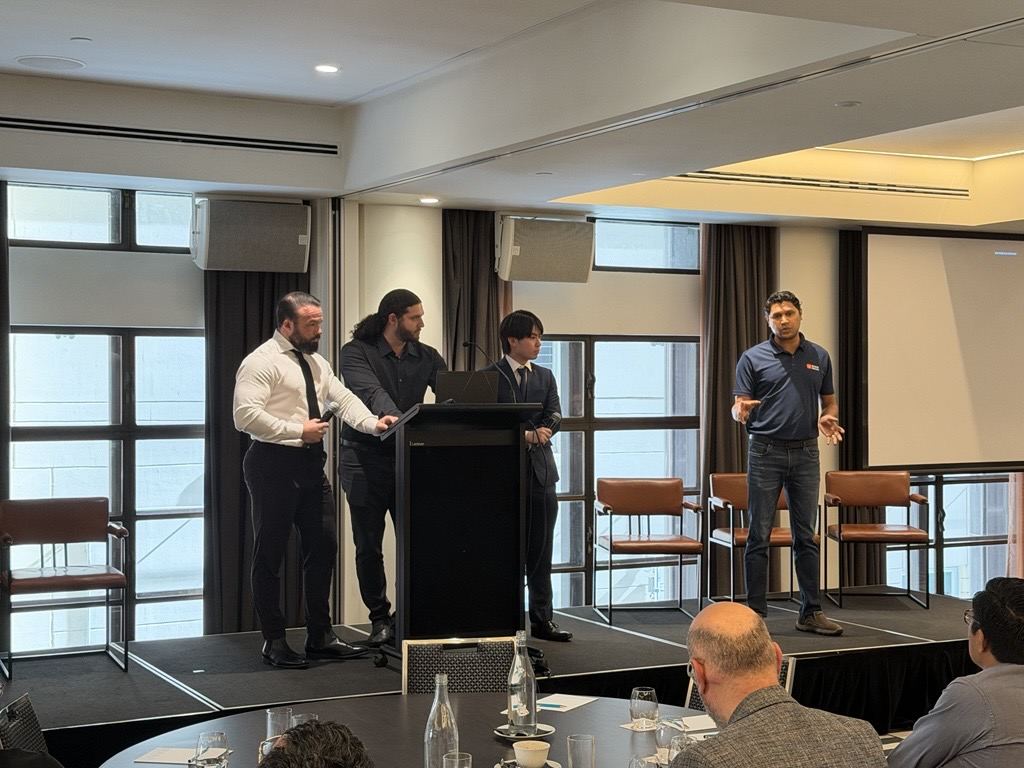 Nueva Secure · Live demo
Key takeaway actions
Here are the actions I would take first, shaped by the survey data and by what we heard in the room.
Start with strategy and purpose. Be clear on the outcomes you want from AI before you choose tools. Agree what success looks like in business terms, such as time saved, risk removed or a better customer experience, and how much risk you are prepared to take to get there.
Get visibility first. It is very hard to secure something you can't see. Build an inventory of the AI tools, agents and cloud workloads already in use, and the data they can reach. Shadow AI is in the browser, the cloud and your SaaS apps today.
Set up an AI steering committee. AI shouldn't sit with one owner. Bring the right teams together and agree who is responsible for what. The committee approves new use cases, can pause one when needed, and reports to the executive team and the board.
AI steering committee responsibilities Team Responsible for The business The use case and the outcome it delivers. Technology Platforms, integration and running it well. Security Controls, monitoring and response. Risk and legal Policy, compliance and third party risk. Data owners What AI is allowed to reach. Fix permissions before you switch on assistants. AI didn't create oversharing. It made years of permission sprawl searchable in plain English.
Turn your AI policy into evidence. If you couldn't show an auditor how it is enforced, it is a statement of intent. Refresh your third party assessments while you are there.
Plan for AI that acts. Before you move from Assist to Act, give every agent its own identity with the least access it needs, log what it does, decide where a human approves, and make sure you can switch it off and recover quickly.
Assume new malware costs almost nothing to make. It is worth revisiting controls that don't depend on recognising the threat first.
Thank you
CyberScape only works because of the people in the room and the partners who lean in. Thank you to everyone who attended, to our panellists for being candid on stage, and to the partners below who made both days possible.
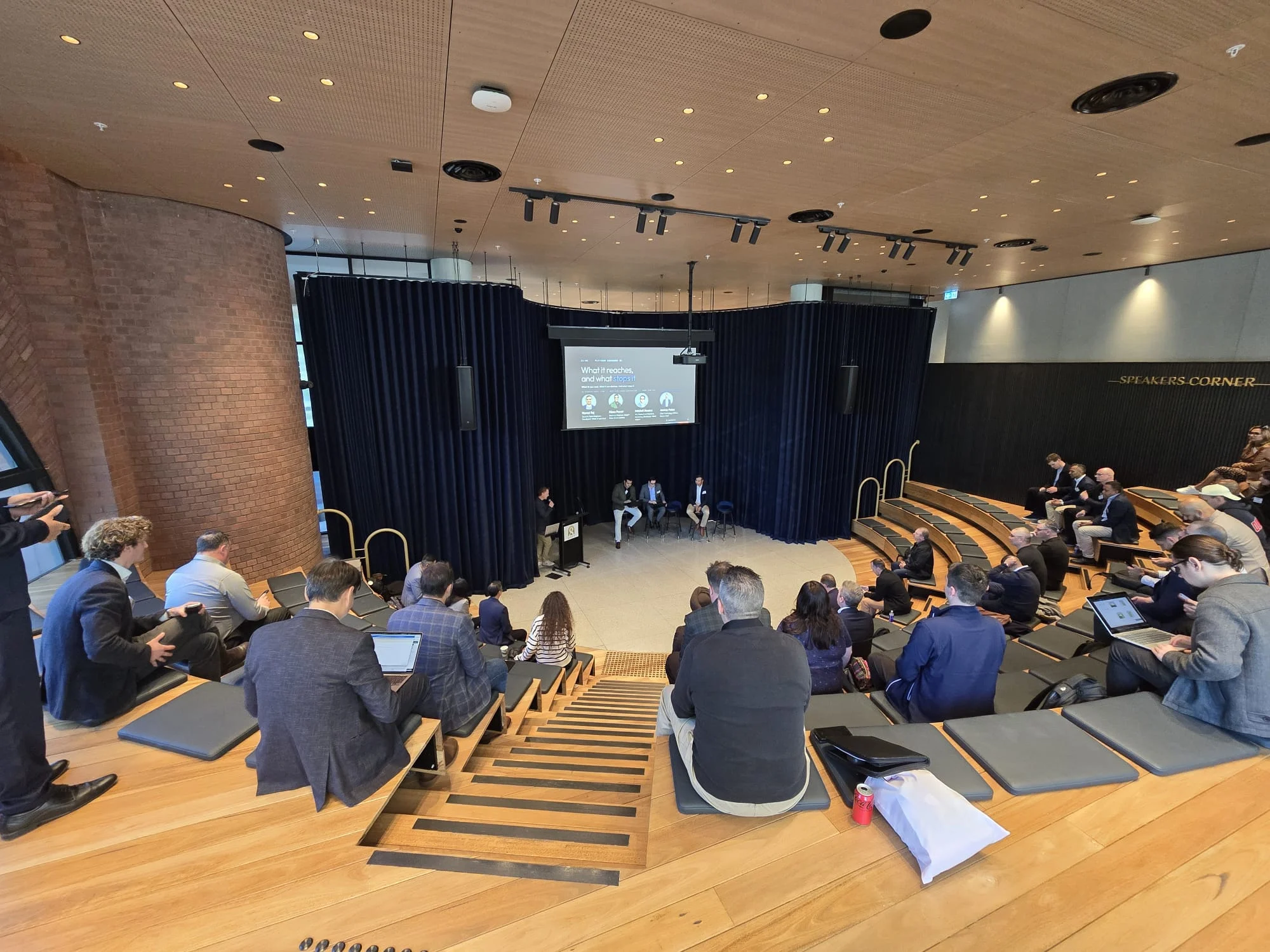 Melbourne · Gate 8
We will keep asking the people who register for CyberScape where they stand before they arrive. Over time that builds something nobody else in this market has: a real picture of how Australian organisations are changing, measured by the people doing the work.
If any of this is on your mind, I'm keen to hear how it looks in your organisation. I'm always happy to talk it through, and you can reach me through the links below.
Ferdinand Tadiaman, CEO, Nueva
Thank you to our partners
Without them, events like this wouldn't be possible.
- 2 cities
- 153 registered
- 4 panels
- 4 Platinum Exchanges
- 12 partners
Our partners also backed a format that asks more of them than most events do. Every Platinum Exchange was a live demonstration rather than a slide deck, and every partner was questioned by our host in front of the room. That takes real confidence in what you've built, and it is a big part of why people came. A special thank you to Airlock Digital, MyCISO and Proofpoint, who backed us in both cities.
MelbourneGate 8, 22 September
 Both cities



 Both cities
 Both cities


SydneyKimpton Margot, 12 November
 Both cities



 Both cities
 Both cities
Partners listed alphabetically. Interested in partnering with us for CyberScape 2027? Let's talk
CyberScape returns in 2027
Dates and cities are coming soon. Register your interest and you will be first to hear when invitations open, along with the agenda, speakers and partners.